Purple Heart Day: Honoring Sacrifice by Protecting Veterans’ Rights
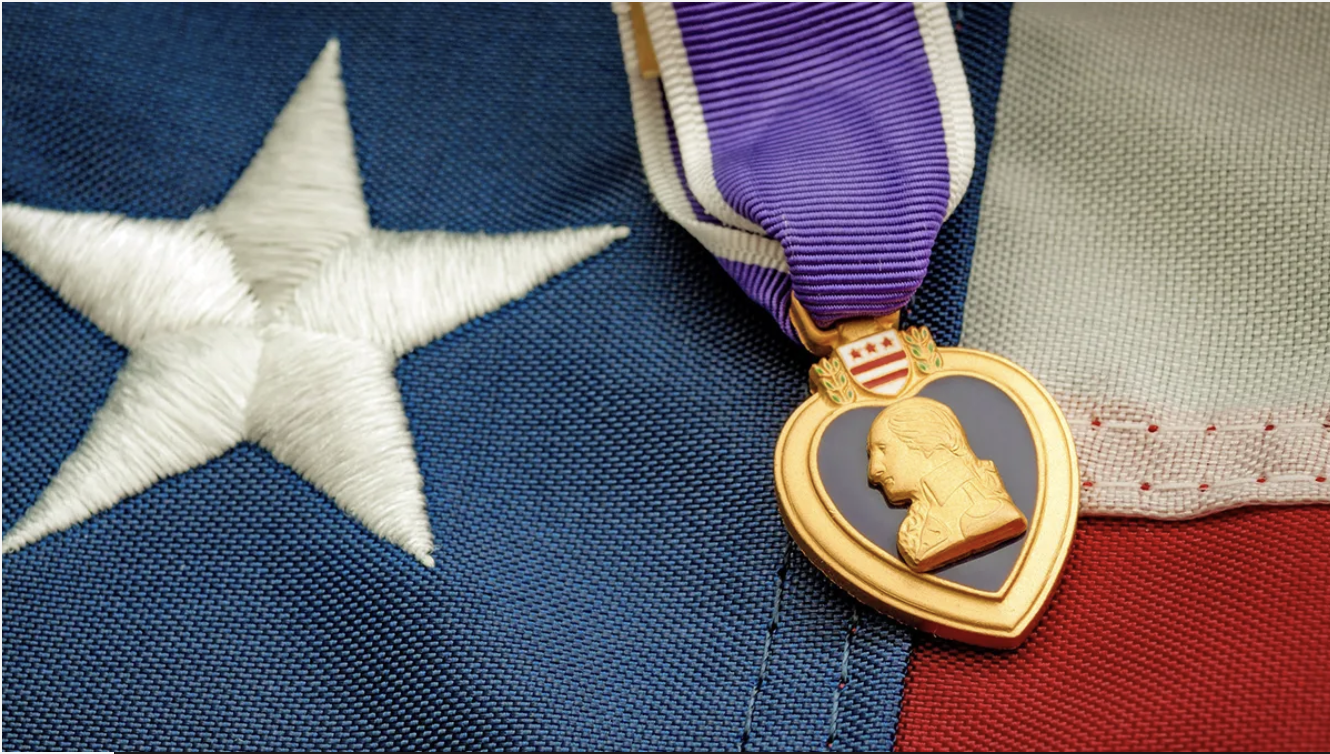
Purple Heart Day, observed every August 7, is more than a day of recognition - it is a call to action.
It is a reminder that behind every Purple Heart is a story of sacrifice, injury, and resilience. And it is a moment to ensure that those sacrifices are properly recognized - not just with a medal, but with the benefits, compensation, and care Purple Heart Veterans have earned.
The History and Meaning of the Purple Heart
Established on August 7, 1782, by George Washington as the Badge of Military Merit, the Purple Heart is the oldest U.S. military award still in use today. It was revived in 1932 to honor those wounded or killed in combat.
This medal is not given lightly. It represents:
Physical sacrifice
Lifelong impact
Service under extreme conditions
A permanent connection to military duty
Who Qualifies for a Purple Heart?
To receive a Purple Heart, a service member must have been:
Wounded or killed in action
Injured by enemy forces or hostile acts
Harmed by friendly fire during combat
A victim of international terrorism related to military service
Medical documentation and official military verification are required.
👉 Important: If you received a Purple Heart, it is strong evidence of a service-connected injury - and may significantly support a VA disability claim.
The Visible and Invisible Wounds of War
Not all injuries are visible.
Many Purple Heart recipients live with long-term conditions that affect every part of daily life, including:
Traumatic brain injuries (TBI)
Post-traumatic stress disorder (PTSD)
Chronic pain and mobility limitations
Burn pit and toxic exposure conditions
Loss of limbs or sensory function
These injuries often worsen over time or lead to secondary conditions that may qualify for additional VA compensation.
👉 If your condition has worsened or new symptoms have developed, you may be entitled to a higher disability rating.
👉 Request your FREE VA benefits review today
VA Disability Benefits for Purple Heart Recipients
Receiving a Purple Heart can strengthen your eligibility for VA benefits, including:
Monthly tax-free disability compensation
Priority VA healthcare (often with no copays)
Special Monthly Compensation (SMC) for severe disabilities
Increased ratings for secondary conditions
However, many veterans are:
Underrated
Denied benefits they deserve
Unaware of additional compensation options
👉 This is where legal guidance can make a life-changing difference.
Are You Underrated or Denied? You May Be Owed More
The VA does not always get it right.
Many Purple Heart veterans:
Receive ratings that do not reflect the full severity of their injuries
Develop new service-connected conditions years later
Are denied benefits due to missing or misunderstood evidence
You have the right to challenge these decisions.
👉 Even if you were denied in the past, you may now qualify under updated criteria or new medical evidence.
Special Monthly Compensation (SMC) - What Many Veterans Miss
SMC is a higher-level, tax-free benefit for veterans with severe disabilities, including:
Loss of limbs
Blindness
Need for daily assistance (Aid and Attendance)
Conditions beyond standard 100% disability
💡 Many Purple Heart recipients qualify for SMC - but never apply.
👉 We help veterans identify and secure these overlooked benefits.
Survivor Benefits for Families of Purple Heart Veterans
The sacrifice does not end with the veteran.
If a Purple Heart recipient passes away due to a service-connected condition, surviving family members may be eligible for:
Dependency and Indemnity Compensation (DIC) - tax-free monthly payments
Additional financial support programs
Unfortunately, many families:
Do not know they qualify
Miss deadlines
Never file a claim
👉 If you lost a loved one, you may still be entitled to benefits - even years later.
Why Supporting Wounded Veterans Is True Patriotism
Patriotism is not just symbolic.
It means ensuring that wounded veterans receive:
Proper medical care
Accurate disability ratings
Financial support for their families
VA benefits are not charity - they are earned through sacrifice.
🚨 Take Action - Protect the Benefits You Earned
If you are a Purple Heart recipient - or the family of one - do not assume everything has been handled correctly.
Let us review your case for free.
👉 Contact The VA Claims Lawyer Today
📞 Call: (877) VET-FILE
📞 Direct: (850) 542-7985
💻 Request your FREE VA benefits claim review now
We fight for veterans. We fight for your benefits. We fight for your future.
Veterans Advocate and LawyerAttorney Al Giordano is a proud disabled veteran and former Marine sergeant who has had an immediate family member serve in every major American conflict since WWI and has represented claimants in every major American conflict since WWI.
FAQs About Purple Heart Veterans
What benefits do Purple Heart recipients receive?
Purple Heart recipients may qualify for VA disability compensation, priority healthcare with reduced or no copays, education benefits, and federal hiring preferences.
Can Purple Heart recipients receive Permanent and Total (P&T) status?
Yes. Veterans with severe, long-term conditions may qualify for P&T status, which provides maximum benefits and additional protections.
What should I do if my VA claim was denied?
Do not give up. Many denials can be successfully appealed. A VA-accredited attorney can review your claim, identify errors, and help you pursue the benefits you deserve.
Can I file for increased benefits years after service?
Yes. Many conditions worsen over time or lead to secondary conditions. You can file for an increased rating or new claim at any time.
Are family members eligible for benefits after a veteran’s death?
Yes. Surviving spouses and dependents may qualify for DIC and other benefits if the veteran’s death was service-connected.
Never Forget
The Purple Heart honors sacrifice.
Making sure veterans receive the benefits they earned - that is how we honor them properly.
🔎 2026 VASRD Update – What Every Veteran Needs to Know
Major changes to the VA Schedule for Rating Disabilities (VASRD) are being phased in throughout 2026. These updates are designed to modernize diagnostic criteria and align disability ratings with current medical evidence.
The VA plans to complete revisions to all 15 body systems by the end of 2026.
If you have a pending claim or are considering filing one, these changes could impact your rating – positively or negatively – depending on your condition.
Here’s what veterans should know right now:
Pending & Proposed VASRD Changes (Expected 2026)
Several major revisions are still in the proposal or implementation phase.
Tinnitus
The VA has proposed treating tinnitus as a symptom of an underlying condition rather than as a standalone 10% disability rating.
If finalized:
Separate 10% tinnitus ratings may no longer be awarded for new claims.
It would instead be evaluated as part of a broader hearing or neurological condition.
Learn More About 2025-2026 VASDR Changes